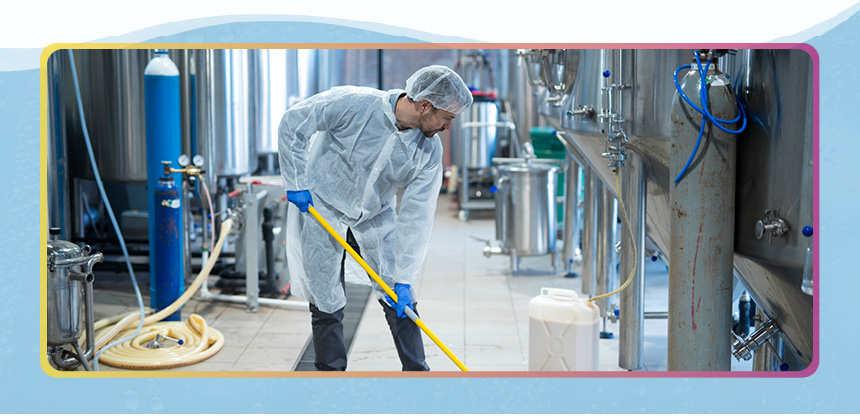
Industrial cleaning is necessary because it prevents dust and residue from accumulating, which can lead to harmful bacteria growth, slips and falls, and even fires. It also keeps products free from contamination that can ruin batches worth millions and prevents machinery from jamming or corroding.
Regular cleaning protects workers from lung damage, which can be caused by inhaling dust, such as silica, in dirty factories. A clean environment reduces tripping and slipping hazards in high-traffic areas like walkways, workspaces and entrances, keeping employees safer in their day-to-day operations. It also prevents chemical burns from spilled acids or alkalis.
Maintaining a clean industrial space brings long-term benefits that go beyond immediate health and safety. Regular cleaning reduces costly repairs, minimizes the risk of contamination and increases employee satisfaction. This contributes to more efficient and reliable operations in the long run.
Short-Term Gains
The immediate benefits of industrial cleaning can be seen in improved safety and increased productivity. Cleaning also:
Creates an immediate visual order that helps streamline transitions between tasks.
Speeds up task completion by keeping walkways and equipment paths clear.
Reduces delays caused by misplaced materials and tools.
Promotes a sense of readiness that boosts team performance.
Simplifies inspections with a clear, organized workspace.
Reduces stress by providing a clutter-free environment that supports focus.
Long-Term Gains
Over time, keeping a space clean helps protect assets, makes the company more sustainable and creates a positive environment that benefits employees and clients. Long-term upkeep:
Preserves asset integrity by preventing gradual wear and tear.
Improves sustainability efforts by cutting down on waste and streamlining resource use.
Supports consistent operational standards across all departments.
Attracts long-term business partnerships by showing reliability and professionalism.
Encourages innovation by facilitating proactive planning and efficient use of space.
Builds loyalty by maintaining a healthy and well-maintained environment for workers.
A Comprehensive Industrial Cleaning Checklist
To maintain consistent cleanliness standards, implement a structured checklist to ensure nothing gets missed. Your checklist should include the following tasks:
Floors in high-traffic areas must be cleaned at least once per shift to remove dirt, grease and spills.
All surfaces, including walls and windows, should be wiped down weekly to prevent dust buildup.
Machinery and equipment should be cleaned at the end of every shift to prevent grease buildup.
Trash bins should be emptied daily, recyclables should be sorted in bins, and waste must be disposed of according to local and federal guidelines.
Restrooms and changing areas must be cleaned and sanitized daily to prevent odors and maintain hygiene.
Storage areas should be tidied up weekly to prevent clutter and make materials and tools easily accessible.
High-touch areas such as door handles, switches and control panels should be disinfected several times throughout each shift.
Ceilings and light fixtures should be inspected and cleaned monthly to remove dust and prevent dirt buildup.
Air vents and filters should be cleaned regularly to encourage proper air circulation and prevent dust accumulation.
Pipes and ducts should be wiped down and checked for leaks to prevent potential hazards from developing.
Developing an Ongoing Maintenance Plan
Industrial cleaning is not a once-off task. It requires an ongoing plan to maintain cleanliness consistently. An effective cleaning schedule includes daily, weekly and monthly tasks:
Daily tasks: Focus on quick, high-priority tasks such as sweeping floors, wiping down high-touch surfaces and removing waste.
Weekly tasks: A more thorough cleaning is necessary once a week and includes deep cleaning of floors, equipment, surfaces and hard-to-reach areas like behind machinery.
Monthly or quarterly tasks: These tasks focus on deep cleaning areas that require more time — for instance, pressure washing walls, deep cleaning ventilation systems and performing detailed checks for machinery.
Selecting the Right Industrial Cleaning Supplies
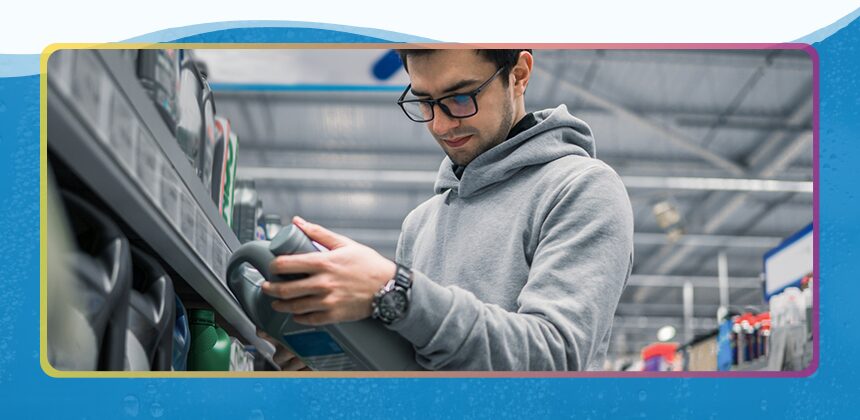
The effectiveness of your industrial cleaning process depends on the right products for each task. Using improper cleaning agents can damage surfaces, fail to remove contaminants or cause safety hazards. Here's how to select the right supplies:
Degreasers: These break down oils and fats, preventing them from hardening and causing damage to equipment. They're necessary for heavy-duty cleaning of machinery and surfaces covered in grease.
Disinfectants: These kill harmful bacteria and viruses, reducing the spread of disease in the workplace. They're used in areas that require sanitation, such as break rooms or bathrooms.
All-purpose cleaners: These cleaners are for general cleaning tasks, such as wiping down counters or desks. They're versatile, cost-effective and can remove dirt and grime without damaging surfaces.
Acid cleansers: These are specially designed for tough cleaning tasks, such as removing adhesives, tar or industrial paints. They're often used for floor cleaning.
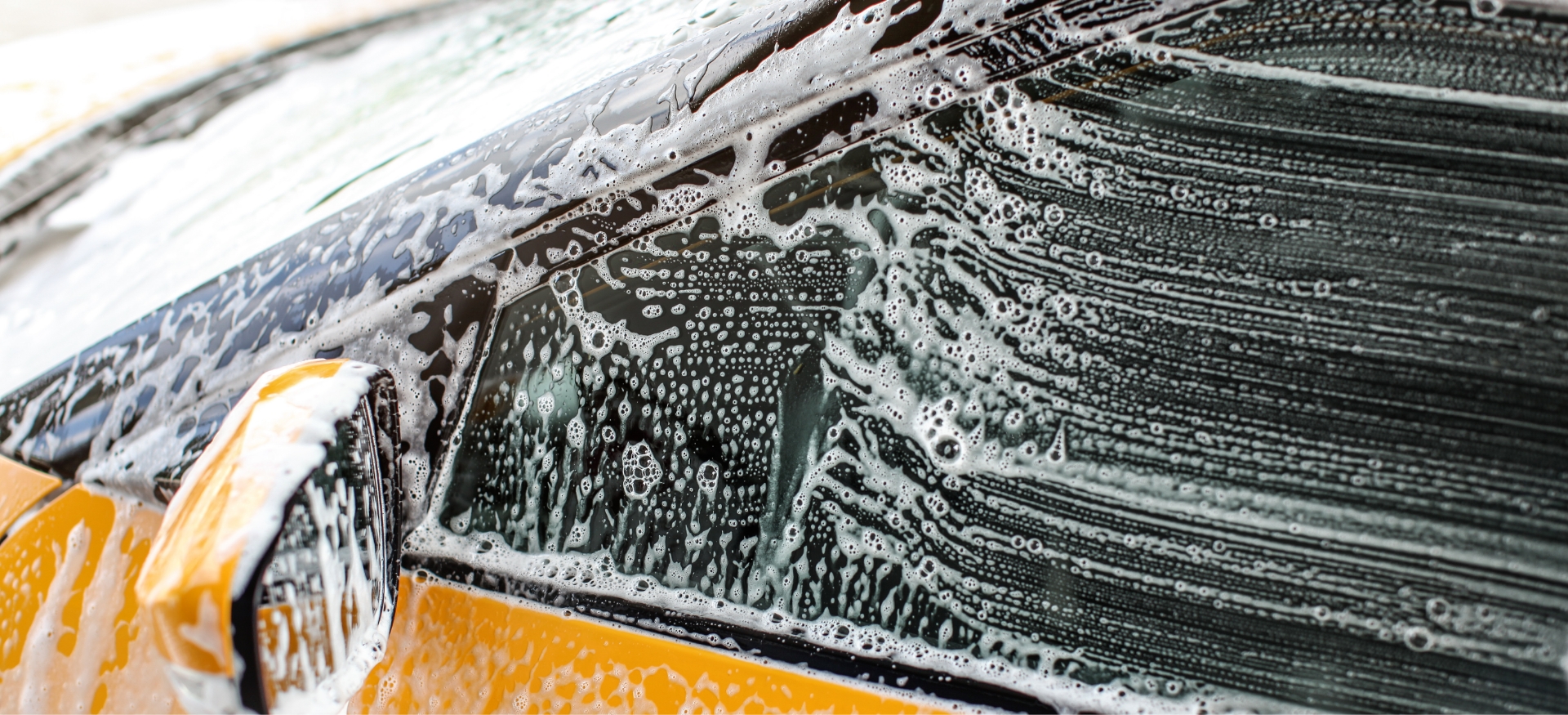
Foaming cleansers: These offer a thicker consistency, allowing them to cling to surfaces for longer, effectively breaking down grease and grime. They're often used on vertical surfaces or hard-to-reach areas.
Safe Disposal of Cleaning Chemicals and Waste
Hazardous waste, if not handled correctly, can pose a significant threat to workers and the environment. Here's how to dispose of dangerous materials safely:
Adhere to local, state and federal regulations regarding hazardous waste disposal. For example, chemicals like solvents must be disposed of through a licensed waste disposal service.
Store cleaning chemicals in clearly labeled, sealed containers that are durable and appropriate for the chemical type, like corrosion-resistant containers for acids.
Keep records of chemical disposal for compliance, including tracking the type, quantity and disposal methods for all chemicals and hazardous waste.
Industrial Carpet Cleaning Tips
Carpet cleaning in industrial settings requires specific tools and techniques. Stains from chemicals and hazardous materials can be challenging to remove, and high foot traffic can track dirt and debris through walkways and buildings. Here's what you need to keep industrial carpets clean:
Heavy-duty vacuums: Invest in industrial vacuums with powerful suction, durable filters and the capacity to handle large volumes of dirt and debris.
Spot treatments: Treat spills immediately to prevent stains from setting in. Chemical spills should be cleaned with specialized cleaning agents.
Professional-grade carpet extractors: For deep cleaning, use carpet extractors with hot water and strong suction to remove embedded dirt and chemicals.
Equip Your Team With Cleaning Supplies From JBS Industries
A clean industrial space directly impacts safety, productivity and workflow. By following these industrial cleaning tips and implementing a maintenance plan, you can keep your facility compliant and your workers safe, productive and happy.
JBS Industries provides a wide range of high-quality industrial cleaning products designed to meet the demands of tough industrial environments. Contact us today and let our team help you find the right products to keep your building clean, compliant and safe.
By choosing our products, you’re investing in quality solutions that enhance operational efficiency while delivering exceptional results for customers.
Start browsing our available products online. For 5-gallon products, you can purchase directly online. For 10-gallon sizes and larger, you can submit a quote, which will be returned promptly. Our team of experts is here to assist you with product selection, technical support and placing your order.