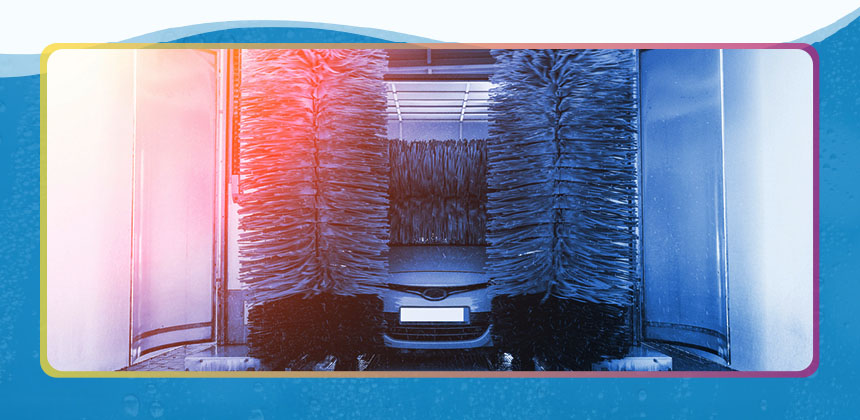
Car washes can be an expensive endeavor. You have to cover everything from water and chemicals to labor and equipment. Over time, these costs can mount and eat into your bottom line. In some cases, they may even negate your profits altogether.
It doesn't have to be this way, though. You can reduce car wash costs with the right balance of technology and optimized processes.
Making these changes will take time and effort, but if you're successful, your car wash can thrive and attract loyal, long-term customers.
Primary Car Wash Operating Costs
Creating a more profitable car wash starts with understanding your expenses. Most car washes have four primary cost categories:
Utilities: These include water, electricity and natural gas costs, typically on a monthly basis.
Labor: Attendants, cashiers and other staff members all have to be compensated for their labor. Your car wash expenses may also need to cover employee benefits or new employee training. Wages are usually consistent, but benefits and training costs can fluctuate from month to month.
Chemical consumption: Car washes rely heavily on cleaning chemicals. The cost of these chemicals varies, as does the amount of time that can pass before you have to pay for more.
Equipment maintenance: Vacuums, pumps and compressors all wear down over time. When they do, you have to repair or replace them entirely. This can be extremely expensive, depending on the maintenance needed. Maintenance costs tend to be less predictable than other costs in this list, too.
Savvy car wash operators average these costs out into a key performance indicator (KPI) called cost per car. This metric combines the labor, utility and chemical costs of each wash into a single number.
Many car washes track cost per car with third-party software or spreadsheets. You can use this number to measure your wash's efficiency and profitability. It can also help you determine if your new practices have a positive or negative impact.
How to Reduce Car Wash Energy Costs
There are many ways to decrease your car wash's energy costs. Five of the most common are:
Upgrading to more energy-efficient equipment: Air dryers, water heaters and pumps all need energy to operate. Not all equipment uses the same amount of energy, though. More energy-efficient equipment can help you decrease your cost per car. Over time, these savings can have a powerful impact on your bottom line.
Installing variable frequency drives (VFDs): Car wash equipment often expends more energy than it needs to. VFDs allow the motors in your equipment to adjust to varying loads. They can decrease their energy output during slower periods and then increase it as necessary. This ensures you only use as much energy as needed each day.
Converting lighting to LEDs: You can swap the lights in your car wash for more energy-efficient options. LEDs are the standard choice, decreasing your lights' energy consumption by as much as 90%. They also tend to last longer than incandescent bulbs.
Implementing a preventive maintenance program: Regular maintenance keeps your machines healthy and allows them to operate more efficiently. This decreased energy use leads directly to lower costs.
Conducting a professional energy audit: These audits analyze your car wash's energy usage. You can then use that information to identify specific savings opportunities.
How to Reduce Water Consumption
Water is a vital — and expensive — resource that all car washes rely on. Optimizing your water consumption can lead to enormous savings.
Here are three of the most common ways to do so:
Install a water reclamation system: These systems capture, filter and reuse water from each water cycle. They can reduce the gallons lost per vehicle down to the single digits in some cases. This lets you get more use out of each gallon and spend less on water overall. It also reduces your car wash's production of polluting wastewater.
Use high-pressure, low-volume nozzles: These nozzles provide effective cleaning power while using the least amount of water possible. They can reduce your cost per car slightly, which can compound into significant savings over time.
Check for leaks each day: Hoses, fittings and pumps can develop leaks as they get older. If a leak isn't dealt with, it can waste hundreds or even thousands of gallons a month. Checking your equipment each day and addressing leaks promptly can mitigate this issue.
How to Optimize Labor Expenses
Labor expenses can mount very easily, especially if your car wash's processes aren't optimized. Here are three ways to decrease those costs:
Invest in automation technologies: Automated pay stations and license plate recognition systems can streamline customer processing. This can reduce the need for on-site cashiers. Your car wash will also move much faster.
Cross-train your employees: When your employees can handle multiple roles, they provide more value to the car wash. You can have fewer staff on-site as a result. First, though, you need to train your employees so they can support customers and handle other responsibilities.
Focus on employee retention: Hiring and training new staff can be expensive. That's why it's so important to retain the staff you already have. Prioritizing fair pay and a healthy work environment are great ways to do this.
How to Reduce Overall Chemical Costs
One of the best ways to reduce car wash expenses is to minimize chemical costs. Detergents and drying agents can be quite expensive, after all.
There are three major ways to do this:
Emphasizing cost per car: Some chemicals have a lower price per gallon but have a higher cost per car. This is because more gallons must be used to achieve an effective clean. Hyperconcentrated chemicals are often the superior option as a result. Once properly diluted, they have a far lower cost per car.
Calibrating chemical dispensing systems: Regular titration tests can prevent chemical overapplication. If these tests are skipped, you might regularly waste both your chemicals and your money.
Using specialty chemicals when needed: Specialty chemicals, such as those designed to treat salt or odors, can address these problems more effectively than standard chemicals. This reduces the need for re-washes and increases your car wash's throughput. It naturally decreases the amount of chemicals needed as well.
Partner With JBS Industries for All Your Car Wash Chemical Needs
JBS Industries has been creating high-quality car wash cleaners since 1979. We also offer everything from presoaks to drying agents. With us, your customers will get the cleanliness they deserve. Likewise, you'll get the chemicals you need to decrease your overall cost per car.
By choosing our products, you’re investing in quality solutions that enhance operational efficiency while delivering exceptional results for customers.
Start browsing our available products online. For 5-gallon products, you can purchase directly online. For 10-gallon sizes and larger, you can submit a quote, which will be returned promptly. Our team of experts is here to assist you with product selection, technical support and placing your order.